


Helping our pollinators thrive
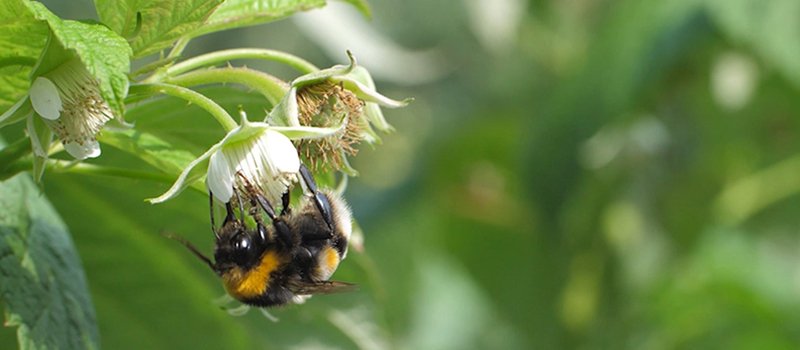
Pollinators play one of the biggest roles in helping plants grow, reproduce, and make seeds, fruits, and vegetables.
In 2006, a study published in the journal Proceedings of the Royal Society B: Biological Sciences found that approximately 75 per cent of the world’s crop production depends on pollinators. Essentially, that’s one in three bites of food you eat.
Our pollinators are in danger due to habitat loss, invasive species, pesticide exposure and climate change.
Pollinator education is how we inform the community on how to protect the bees, butterflies, birds and more so that they can continue supporting life, one flower visit at a time.
Why pollinators matter
The work pollinators do might seem small, but it is essential to keeping ecosystems healthy. Pollinators move pollen from one flower to another, helping plants reproduce and grow fruits, vegetables, seeds and new plants.
Pollinators include bees, butterflies, moths, hummingbirds, flies, beetles, wasps and other animals. In Ontario, pollinators play an important role in supporting biodiversity, plant reproduction, and food security.
Pollinators help by:
- sustaining our food systems and natural areas
- supporting biodiversity by helping native plants grow and reproduce
- providing food and shelter for birds, insects and other wildlife
- helping maintain healthy, resilient ecosystems
What you can do at home
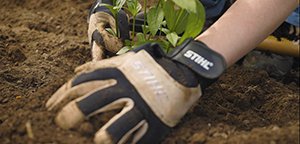
You don't need a green thumb or a large garden to make a difference. A few simple choices can turn any outdoor space into a haven for pollinators.
- plant native species suited to Orangeville and the Credit Valley watershed, such as asters, wild bergamot, violets, meadow-rue, milkweed, black-eyed Susans and coneflowers
- plant flowers in groups or clusters so pollinators can find them more easily
- choose plants that bloom from spring through fall, such as goldenrods, sunflowers, coneflowers and black-eyed Susans
- avoid pesticides, especially insecticides
- leave some bare soil, leaf litter, seed heads and hollow stems to provide nesting and overwintering habitat
- delay spring garden clean-up where possible to avoid disturbing overwintering pollinators
A mix of native plants that flower across the seasons gives pollinators a reliable source of food from early spring right through to autumn. Pollinators also need places to nest, rest and overwinter, so a pollinator-friendly garden does not need to be perfectly tidy to be healthy.
Small spaces count
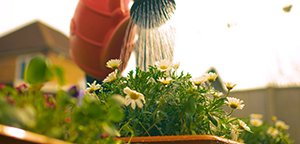
A balcony planter, a container garden or a small garden bed can all provide valuable habitat and food sources for pollinators.
Pollinator-friendly spaces can be colourful, intentional and beautiful. Supporting local wildlife and having a tidy, welcoming garden aren't mutually exclusive—in fact, many of the best pollinator plants are also some of the most striking.
Orangeville's pollinator garden
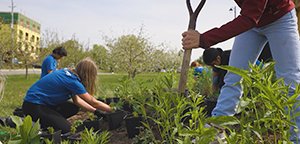
In May 2026, the Town planted its first native pollinator garden near the community gardens near 30 Centre Street. ). The garden is part of the Town’s Pollinator Protection Plan and will help support local pollinators, demonstrate pollinator-friendly gardening practices and grow community awareness of how residents can support local species.
When pollinators thrive, so do our green spaces, gardens and food systems, making Orangeville a healthier, more vibrant community for everyone.
Bee City Canada recognition
Orangeville is the 37th Canadian municipality to achieve the Bee City Canada designation. Bee City Canada recognizes the steps that Orangeville has taken to increase pollinators in our community.
The Town has pledged to refrain from pesticide use whenever possible, plant native species, increase naturalization and add additional pollinator garden beds throughout the community.
Loss of bee habitats
Bees and pollinators around the globe have experienced dramatic declines due to:
- land fragmentation
- habitat loss
- use of pesticides
- industrialized agriculture
- climate change
- spread of pests and diseases
Contact Us
 Subscribe to this page